
July 28, 2026 · conroe
Storm Season in Conroe: How to Prepare Your Roof Before It Hits
Montgomery County catches Gulf hurricanes and supercell hail. Here is exactly what to check on your roof before storm season, and what to do in the first 48 hours after one rolls through.
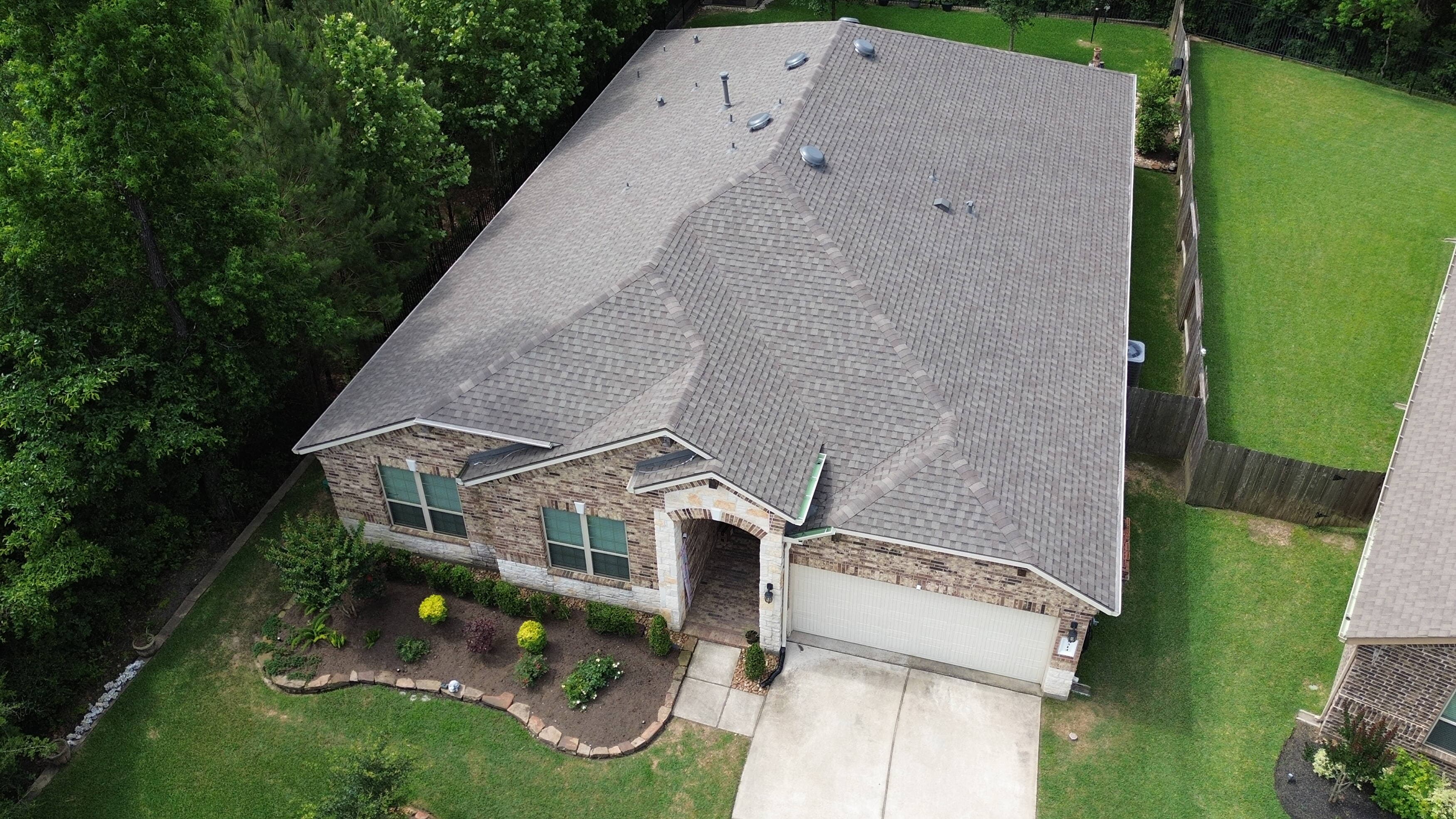
Conroe sits in the crosshairs. Gulf hurricanes push north from the coast. Supercell thunderstorms roll southeast from central Texas. Montgomery County gets both, and your roof is the first thing they hit. Here is what to do before storm season starts, and what to do when one comes through.
Where the storms come from
Montgomery County is in Wind Zone II, which means local building codes require roofing materials rated for sustained high winds. That matters because insurance adjusters know it too — a roof that was already compromised before a storm makes the claim harder.
Two types of storms cause most of the damage around Conroe:
- Hail storms from supercells moving southeast. These drop ice that bruises shingles, cracks flashing, and dents metal without always leaving obvious holes. The damage is invisible from the ground and leaks months later.
- Wind storms from hurricanes, tropical storms, and straight-line thunderstorm winds. These lift shingle edges, peel back flashing, and push water sideways under materials that are fine in normal rain.
Different damage, different inspection, different repair scope.
Pre-season checklist: what to look at now
You can do most of this from the ground with binoculars. If anything looks wrong, that is when you get someone on the roof.
- Flashing. Look at every spot where the roof meets a wall, chimney, vent, or skylight. Flashing that is lifted, rusted, or pulling away is where water gets in first.
- Pipe boots. The rubber collars around plumbing vents crack in Texas heat. A cracked boot is a guaranteed leak in a heavy rain.
- Shingle edges. Curled, lifted, or missing shingles mean the wind has a grip point. One lifted shingle becomes ten in a storm.
- Gutters and downspouts. Clogged gutters push water under the drip edge and into the fascia. Clean them before the season, not after.
- Tree limbs. Anything hanging over the roof or touching it is a problem. Cut it back before a storm turns it into a projectile.
Tip
The best time to catch a cracked pipe boot or lifted flashing is a calm Tuesday in May — not the morning after a hailstorm when every roofer within 200 miles is booked.
The first 48 hours after a storm
This is when the door-knockers show up. Trucks from out of state roll into Conroe neighborhoods before the power is back on. Most of them are gone in six weeks. Here is what to do instead.
Do:
- Walk the perimeter. Look for shingle debris in the yard, dented gutters, cracked siding, and broken window screens. Take dated photos of everything.
- Check the attic. Water stains, daylight through the decking, or wet insulation tell you more than the view from the ground.
- Cover active leaks with a bucket inside. If water is coming in, contain it.
- Call your insurance company to report the storm event, even before you have an estimate. Prompt reporting matters.
Do not:
- Climb on a wet roof. It is not worth the trip to the emergency room.
- Sign anything a door-knocker hands you without reading every word and sleeping on it. Assignment-of-benefits contracts can transfer control of your entire claim.
- Let anyone tarp your roof who will not give you a written scope and price for the tarp job before they start.
How to document damage the right way
Good documentation is the difference between a smooth claim and a fight.
- Date your photos. Turn on the timestamp in your phone camera settings, or use a notes app that logs the date automatically.
- Shoot wide and close. A wide shot of each slope for context, then close-ups of every impact point, crack, or lifted edge.
- Photograph the yard. Hail stones melt. Broken shingle pieces get swept away. Capture them while they exist.
- Save the weather report. Screenshot the NWS storm report or radar for your area. This ties the damage to the event.
A professional inspection adds drone footage of every slope, a material scope, and a written report you can compare against the insurance adjuster's scope. That comparison is where missed line items get caught.
When is storm season in Conroe, TX?
Severe thunderstorm and hail season runs roughly March through June. Hurricane season runs June 1 through November 30. Montgomery County can see damaging storms in any month, but those two windows are when the serious ones cluster.
What does hail damage look like on a roof?
On asphalt shingles, hail leaves dark bruises where the granules are knocked loose, exposing the mat underneath. On metal, it leaves dents. Both are nearly invisible from the ground — you need someone on the roof or drone footage to see them.
Should I get my roof inspected after every storm?
After any storm with confirmed hail or sustained winds above 60 mph in your area, yes. A quick inspection now catches damage that would leak for months before you notice it inside.
How fast can a damaged roof be tarped?
A local crew can usually tarp a residential roof within 24 hours of a storm. During major events with widespread damage, that window stretches — which is why local matters. We are already here.
The short version
Inspect before the season. Document immediately after a storm. Do not sign anything under pressure. And keep your claim in your own hands — a good contractor supports that process, not replaces it.
Storm season is coming.
Free estimate — drone-documented, no obligation. Know where you stand before the first cell rolls through.
This article is general guidance on storm preparation and documentation, not insurance advice. Your policy and carrier control your specific coverage and claim process.
Francisco Brito, Roofing 365
Roofing & construction in Conroe, TX — written by the people on the roof, not a content farm.