
July 7, 2026 · conroe
What Conroe Homeowners Should Know Before Filing a Roof Insurance Claim
How the roof claim process actually works in Texas, what a contractor is legally allowed to do, and the deductible rule every Conroe homeowner should know.
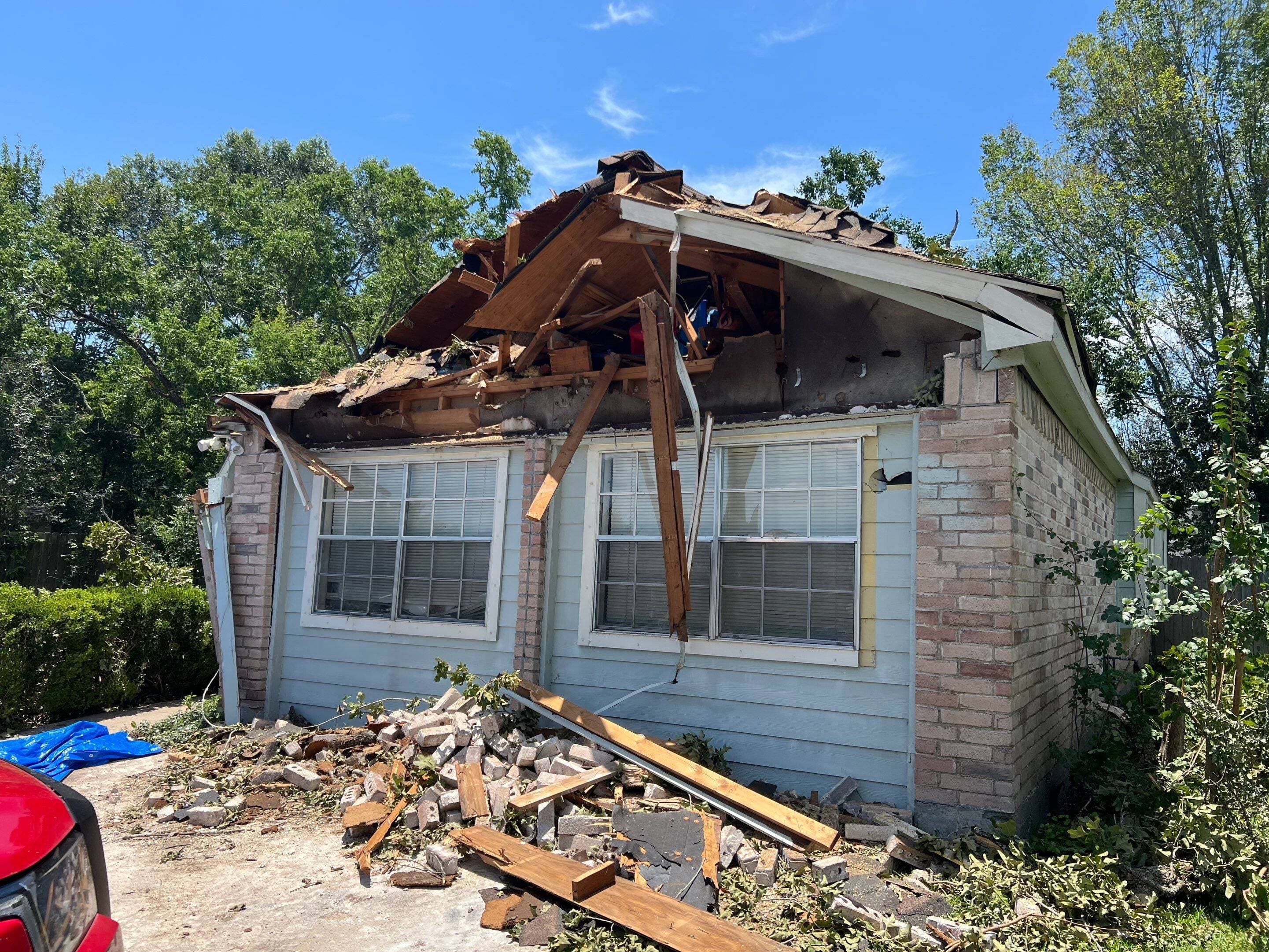
If a storm just came through Montgomery County and your roof took a hit, you're about to get a crash course in roof insurance claims — probably with a few out-of-town trucks idling on your street offering to teach it. Before you sign anything, here's how the process actually works in Texas, and what a roofing contractor is legally allowed to do for you.
What a contractor can (and can't) do on a claim
Texas law draws a bright line: your contractor cannot act as your insurance adjuster. A roofing company can't negotiate your claim, can't "handle it for you," and absolutely cannot pay, waive, or absorb your deductible. Companies that offer those things are breaking the law — and putting you at risk in the process.
Here's the legal division of labor:
- The contractor's job: We document the damage, provide a detailed estimate, and rebuild.
- Your job: You file the claim and deal with your insurance company. Our itemized estimate is yours to share with your adjuster if you choose.
- The insurance company's job: Adjust the claim and pay what your policy covers.
Heads up
Texas law (Business & Commerce Code § 27.02, strengthened in 2019) makes it a criminal offense for a contractor to waive or absorb your deductible — and the deductible is still yours to pay. Any company leading with "we'll take care of your deductible" has told you everything you need to know about them.
Step one: documentation, before anything else
Every strong claim starts with a strong record. Before repairs, before phone calls, get the damage documented — dated photos of every slope, close-ups of impact points, and a complete material scope. That's exactly what our free estimate visit produces: a drone-documented photo report you can use however you choose.
Why it matters: hail bruising and lifted shingles are nearly invisible from the ground and often leak months later. Documentation dated close to the storm connects the damage to the event — which is the whole argument.
Step two: read your policy before you file
Two numbers matter most:
- Your deductible. In Texas, wind and hail deductibles are commonly a percentage of your dwelling coverage, not a flat number. On a $400,000 home with a 2% wind/hail deductible, that's $8,000 you pay before insurance pays anything.
- Your coverage type. Replacement-cost policies pay to replace the roof; actual-cash-value policies subtract depreciation, which can leave a real gap on an older roof.
If the documented damage looks smaller than your deductible, filing may not make sense at all — a claim on your record for a repair you'd pay for anyway. This is a real conversation to have with the numbers in hand, and a detailed repair estimate gives you those numbers.
Step three: file — and keep control
When the damage clearly exceeds your deductible, you file the claim with your carrier. You'll be assigned an adjuster who inspects the roof and produces the insurance scope of loss.
This is where a thorough contractor estimate earns its keep: adjusters work fast, and line items get missed — drip edge, decking, code-required ventilation, flashing details. Our detailed estimate exists so you can compare it against the insurance scope and ask about anything that's missing. You stay in control of your claim. Our estimate shows what the rebuild actually takes, so you can ask your adjuster about any differences.
The FAQ everyone asks
Who pays my deductible?
You do — Texas law requires policyholders to pay their deductible, and any contractor who offers to waive it is breaking the law. We'll never do that, and you should walk away from anyone who offers.
Will filing a claim raise my rates?
Ask your agent how a claim could affect your premium or renewal. It's one more reason to compare the documented damage against your deductible before filing.
How long do I have to file after a storm?
Your policy sets deadlines for notice and for disputes. Read it, and report damage promptly. Practically, document immediately: evidence weathers away and memories of storm dates fade.
Do I need three estimates?
No — that's a myth. You need one thorough, itemized estimate from a contractor you trust, compared carefully against the insurance scope.
The bottom line
Get the damage documented fast, know your deductible before you file, and keep every part of the claim in your own hands. The right contractor makes that easy instead of murky.
Storm damage in Conroe?
Free, drone-documented estimate — the record you'll want, whatever you decide about the claim.
This article is general information about the Texas claims process, not legal or insurance advice — your policy and adjuster control your specific claim.
Francisco Brito, Roofing 365
Roofing & construction in Conroe, TX — written by the people on the roof, not a content farm.