
October 23, 2026
Insurance Claim or Out-of-Pocket Repair? How to Decide After Roof Damage
After roof damage, filing a claim isn't always the right call. A plain-English way to weigh your deductible, your policy, and the repair cost, plus what a roofer can and can't do under Texas law.
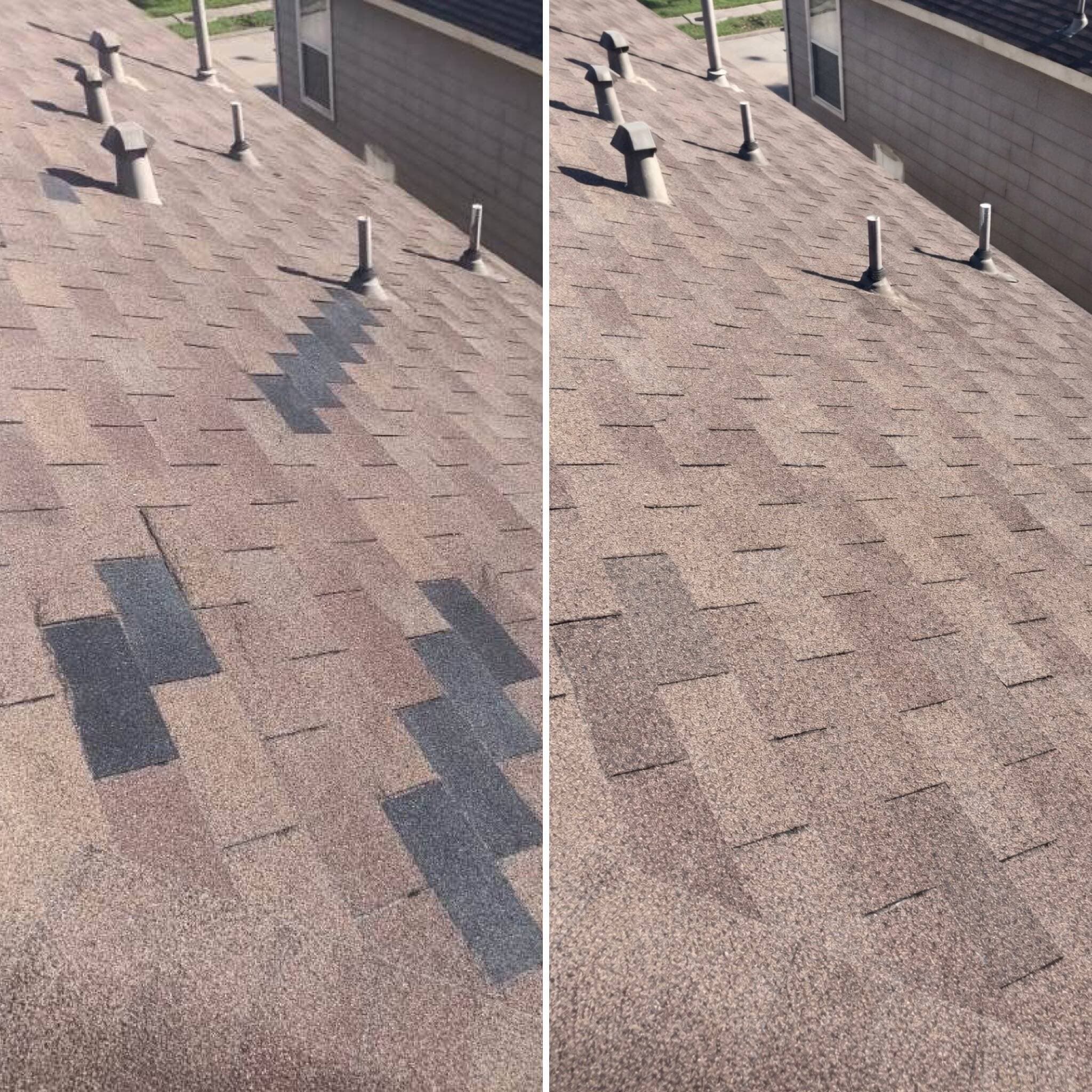
A storm blows through, you find shingles in the yard, and the first question is usually the same: do I call my insurance company, or do I just pay to fix it? There's no single right answer. It depends on your policy, your deductible, and how big the damage really is. Here's a straightforward way to think it through.
First: make it safe and write it down
Whatever you decide, start with the same two steps:
- Stop further damage if you safely can. Many policies expect you to take reasonable steps to prevent more damage, such as a tarp over an opening. Check your policy for what yours says, and keep receipts for anything you pay for.
- Document everything. Take dated photos of the roof, the yard, and any interior stains or leaks, and write down when the storm hit. Do it before any permanent repairs.
Good documentation helps whichever way you go. If you file a claim, it shows the damage and when it happened. If you pay yourself, it's a clear record of what was fixed.
Second: know your two numbers
Your deductible. This is what you pay before your insurance pays anything. In Texas, wind and hail deductibles are often a percentage of your dwelling coverage rather than a flat dollar amount, according to the Texas Department of Insurance. Find the exact figure on your declarations page.
Your coverage type. A replacement-cost policy generally pays what it takes to repair or replace with similar materials. An actual-cash-value policy subtracts depreciation, which can make a big difference on an older roof. Your policy says which one you have.
Third: compare the repair cost to the deductible
Once you know your deductible, get a written, itemized estimate for the repair. Then compare the two:
- The repair costs less than your deductible. Insurance wouldn't pay anything toward it, so a claim may not make sense. Paying for the repair yourself is often the simpler path.
- The repair costs well above your deductible. This is what insurance is for. Contact your insurance company or agent to start a claim.
- It's close. This is the gray area. Ask your agent how a claim could affect your premium or renewal, and weigh that against the amount you'd actually recover.
If you're unsure, call your agent or insurer and ask. Explaining coverage is part of their job. It's fair to ask up front how they treat a question compared with a filed claim.
What a roofer can and can't do under Texas law
This part protects you, so it's worth knowing:
- A roofer is not your adjuster. Under the Texas Insurance Code (Chapter 4102), a contractor can't act as a public adjuster or negotiate your claim for you. Only your insurance company adjusts your claim, and only you or someone legally authorized can represent you on it.
-
No one can make your deductible disappear. Texas law (Business & Commerce Code §27.02) makes it illegal for a contractor to waive, rebate, or absorb your deductible. If someone offers that, walk away.
-
No promises about coverage. Whether damage is covered is your insurer's decision under your policy. Be wary of anyone who promises you'll get a new roof paid for.
What we can do is give you a free estimate and document the damage with drone photos and an itemized written estimate. You can use that record to decide whether to file, share it with your adjuster if you choose, or simply pay for the repair. The claim stays in your hands.
Trying to decide after storm damage?
Free estimate with drone-documented photos and an itemized written estimate. Use it however you decide.
If you decide to pay out of pocket
Paying yourself is often the right call for smaller damage. A few tips:
- Get it itemized. You should see exactly what's being repaired and what it costs.
- Ask whether a repair is enough. An honest roofer will tell you when a targeted repair solves the problem and a replacement isn't needed.
- Keep your records. Photos, the estimate, and the invoice are worth having if the same area has problems later or when you sell the house.
Should I file a claim for minor roof damage?
If the repair costs less than your deductible, insurance wouldn't pay toward it, so a claim may not make sense. Compare a written repair estimate with your deductible, and ask your agent if you're unsure.
Can a roofer pay or waive my deductible?
No. Texas law (Business & Commerce Code §27.02) makes it illegal for a contractor to waive, rebate, or absorb your deductible. The policyholder pays it.
Can my roofer talk to my insurance company for me?
A contractor can't act as your adjuster or negotiate your claim in Texas (Insurance Code Chapter 4102). Your roofer can give you a documented estimate, which you can choose to share with your adjuster.
How do I find my deductible?
Look at your policy's declarations page or ask your agent. In Texas, wind and hail deductibles are often a percentage of dwelling coverage, not a flat amount.
The bottom line
Make the roof safe, document the damage, and find your deductible. Then compare it with a written repair estimate. If the numbers are close or you're unsure, ask your insurance agent, since they can explain your policy.
This article is general information, not insurance or legal advice. Your policy, your insurance company, and your agent control how your specific situation is handled.
Francisco Brito, Roofing 365
Roofing & construction in Conroe, TX — written by the people on the roof, not a content farm.